Why Convenience Matters in Modern Diets



The Role of Convenience in How We Eat Today
Eating habits don’t usually change all at once. They shift slowly, shaped by routine, time, and whatever feels manageable on a given day. If you look closely, one factor keeps showing up, convenience.
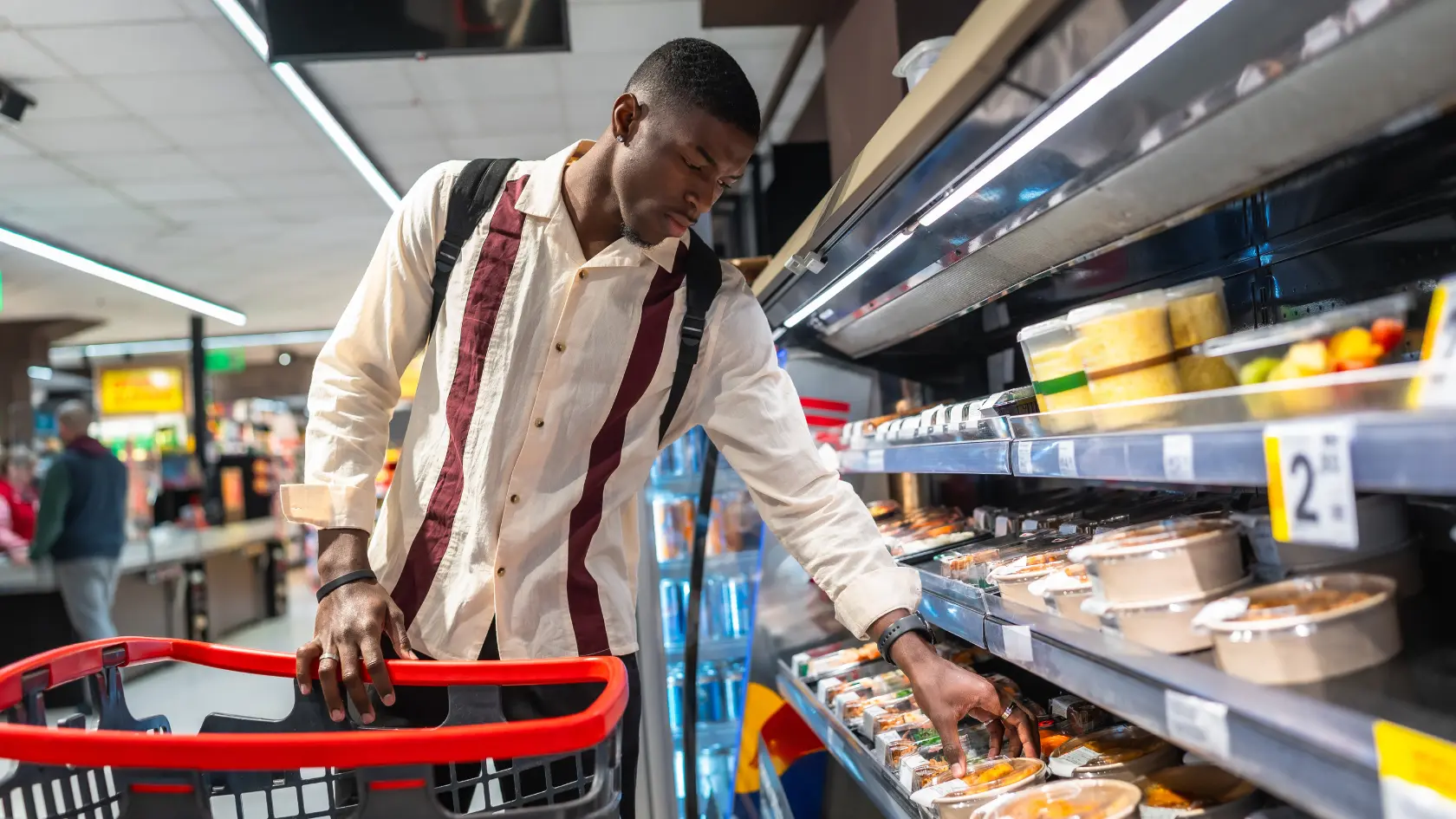
It’s not about lowering standards or cutting corners. It’s about making food fit into real life. Meals now happen between things, between work, school runs, errands, or simply the end of a long day. That’s where easy meals, ready to eat meals, and frozen meals start to matter more than they used to.
Convenience isn’t replacing good food. It’s changing how we access it.
Why Convenience Drives Food Choices More Than People Admit
There’s often an assumption that people make food decisions based purely on preference or health goals. In reality, time and effort play a much bigger role.
Easy meals that fit into everyday routines
When something takes too long or requires too much planning, it tends to fall away. Even if it’s a good idea in theory. That’s why easy meals tend to win out over more complicated options.
It’s not a lack of discipline, it’s just how routines work. The more steps involved, the less likely something is to happen consistently.
Convenience reduces those steps. It makes meals repeatable. And that consistency is what turns something from an occasional choice into part of a routine.
Frozen Meals and Ready to Eat Meals Are Changing Expectations
Not long ago, frozen meals were seen as a last resort. Something you turned to when there wasn’t anything else. That’s shifted.
Ready to eat meals that offer flexibility, not compromise
Now, ready to eat meals are designed to fit into everyday life without feeling like a fallback. They’re quicker, more varied, and often better thought out.
The biggest change isn’t just quality, it’s expectation. People now assume food should be flexible. It should work around their schedule, not demand that they reorganise their day.
If you’ve noticed how this shift is happening more broadly, this article looks at it in more detail: How Frozen Foods Are Changing The Way We Eat
Convenience Doesn’t Mean Lower Quality
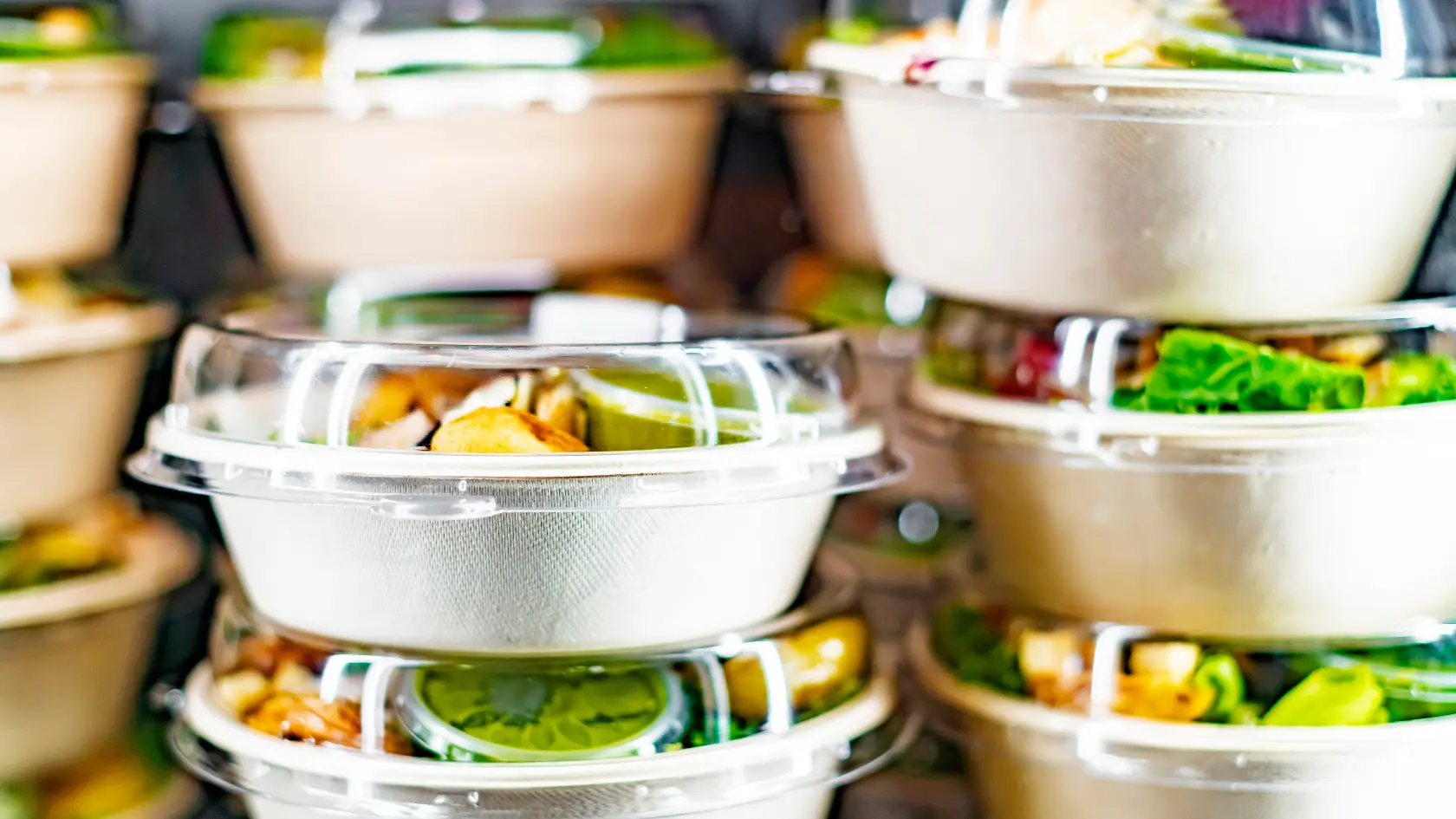
There’s a tendency to link convenience with compromise. That idea doesn’t hold up as well as it used to.
Better meals that balance time, nutrition, and taste
The goal isn’t just speed, it’s balance. People still want better meals, but they also want those meals to be realistic.
That’s where things like high protein meals, balanced ingredients, and practical preparation methods come together. It’s not about doing everything from scratch every time. It’s about choosing when to do that, and when not to.
Convenience allows for that balance. It creates room for flexibility instead of forcing everything into a fixed structure.
How Convenience Supports More Consistent Eating Habits
One of the less obvious effects of convenience is consistency. When meals are easier to prepare, people tend to eat more regularly.
High protein meals and easy meals you can rely on
If something is simple enough, you don’t skip it. You don’t delay it. You just eat.
That’s especially relevant for high protein meals or more balanced options. When they’re easy to access, they become part of your day without much effort.
If they’re complicated, they get replaced by whatever is quickest.
Convenience doesn’t guarantee better choices, but it makes them easier to follow through on.
Sushi Pocket as a Practical Example of Convenient Eating
This shift becomes clearer when you look at specific products designed around convenience.
Sushi Pocket is one example. It’s based on onigiri, but shaped into a handheld format that’s easier to store and use. Rice on the outside, filling in the middle, salmon teriyaki or tuna mayo, wrapped in nori.
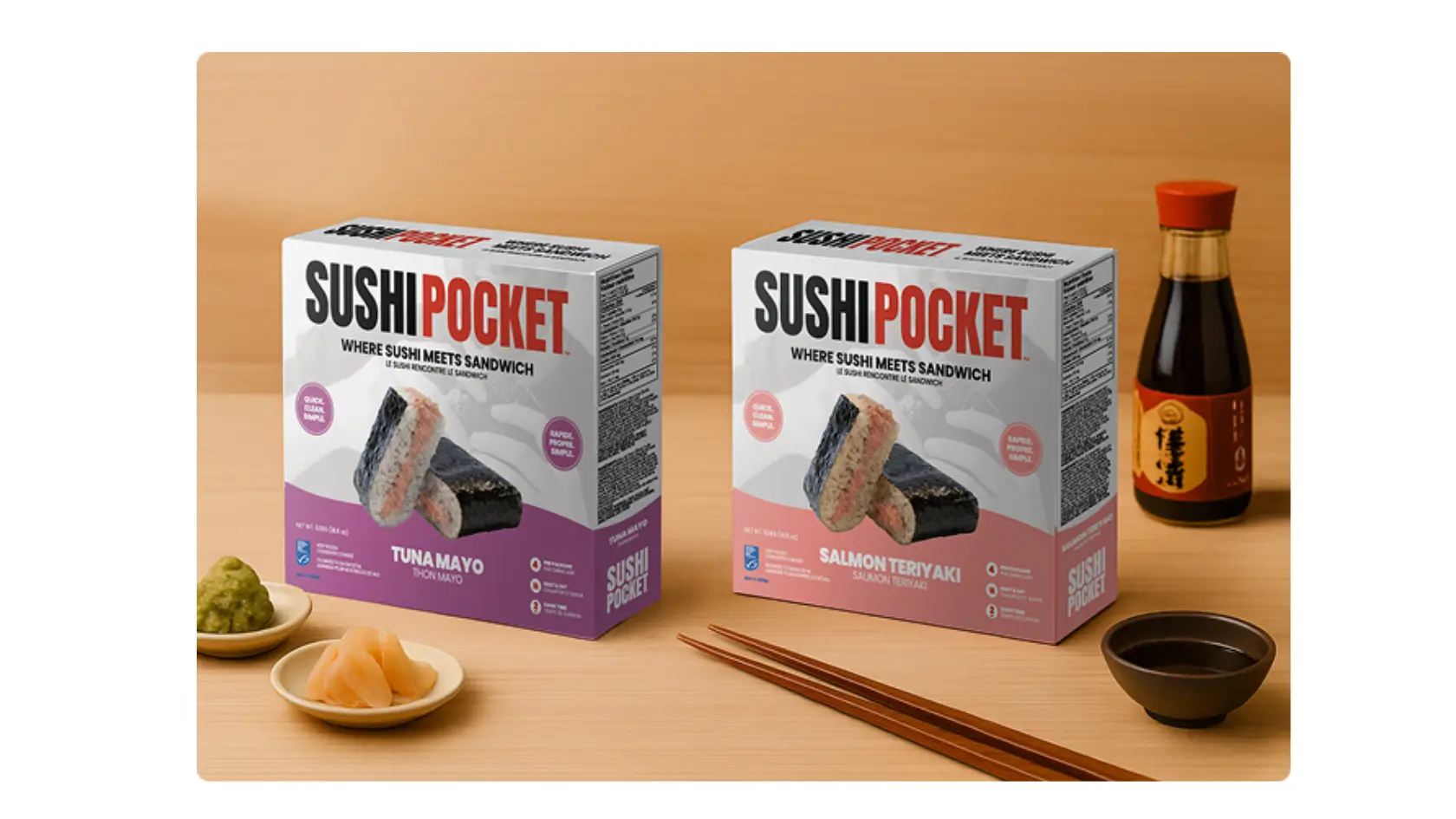
Ready to eat meals that work on their own or as part of something bigger
On its own, Sushi Pocket works as a quick, satisfying option. It’s fully cooked and frozen, so it can be prepared in a couple of minutes, microwave, air fryer, or pan.
But it also works as a base for something more substantial.
You can heat it, break it up into a bowl, and build around it. Add spring onions, fresh herbs, vegetables, maybe a sauce. It turns into something closer to an Asian-style rice bowl without needing to start from scratch.
That flexibility is what makes it useful. It can be a simple snack or part of a larger meal, depending on what you need at the time.
If you want to try it in your own routine, you can order online here.
Convenience and the Shift Toward Flexible Meal Structures
Meals used to follow a more fixed pattern, breakfast, lunch, dinner, each with a clear structure. That’s less rigid now.
Easy meals and frozen meals that adapt to your day
Now, food fits into the day wherever there’s space. That might mean smaller meals, quick snacks, or something more substantial depending on what’s happening.
Frozen meals and easy meals support that shift because they don’t require strict timing. They’re available when you are.
That flexibility also reduces stress around food. You don’t need everything to be perfectly planned. You just need a few reliable options.
Making Convenience Work Without Overcomplicating It
There’s a tendency to overthink food, trying to optimise everything at once. That usually doesn’t last.
A practical mix of ready to eat meals and fresh options
- A few ready to eat meals for busy moments
- A few fresh options when you have time
- A few frozen meals as a backup
That’s enough to keep things balanced without turning food into something you have to manage constantly.
If you’re unsure about how to store or prepare certain foods properly, the FAQ section covers the basics in a straightforward way.
Convenience and Everyday Snacking Habits
Snacking is often where convenience matters most. It’s usually unplanned and happens in between everything else.
Better meals and snack ideas that don’t slow you down
When snacks are easy, they’re used. When they’re not, they get replaced by whatever is closest.
That’s why simple, practical ideas tend to work better than complicated ones.
If you’re looking for examples that fit into busy days, this guide keeps things realistic: 10 Easy Snack Ideas For Busy Parents
Conclusion: Why Convenience Matters More Than Ever
Convenience isn’t about doing less, it’s about making things work.
It allows food to fit into real routines instead of forcing routines to revolve around food. It makes consistency easier. It reduces friction. And over time, that’s what shapes how people actually eat.
The shift isn’t dramatic, but it’s steady. And once convenience becomes part of the system, it tends to stay there.