Smart Snacking: How to Choose Better Snacks



What smart snacking actually means in everyday life
Snacking tends to happen without much planning. It fills the gaps between meals, often when energy drops or time runs short. The problem is not snacking itself. It is what we reach for when we are not thinking about it.
Smart snacking is less about strict rules and more about awareness. It is about choosing snacks that keep you going instead of leaving you hungry again an hour later. That usually comes down to a few simple ideas that are easy to repeat.
Most people already know the basics. What matters is making those basics practical enough to follow during a busy day.
Why most snack choices fall back to convenience
When time is limited, food decisions become automatic. You grab whatever is closest or quickest. That is why snacks often come from a restaurant or fast food option, vending machine, or something packaged and ready to eat.
There is nothing unusual about that. It is just how routines work.
Food basics that make snacks more reliable
If you look at snacks that actually hold you over, they tend to share a few characteristics:
- They contain some protein
- They have enough substance to feel like real food
- They are easy to access without preparation
These are simple food basics, but they are often overlooked when convenience takes over.
The goal is not to avoid convenience. It is to make better options just as easy to reach.
High protein foods and high fiber foods that keep you going
Energy dips usually come from snacks that digest too quickly. You get a short boost, then a drop. That cycle repeats if the next snack is the same.
High protein foods that support steady energy
Protein slows things down. It helps snacks last longer and feel more satisfying.
Some practical examples of high protein foods include:
- Yogurt
- Eggs
- Nuts
- Tuna or salmon
- Ready to eat options like Sushi Pocket
These do not require much effort, which is why they tend to work in real routines.
High fiber foods that add staying power
Fiber plays a similar role. It helps with fullness and keeps energy more stable.
Simple high fiber foods you can include:
- Fruit like apples or pears
- Oats or oat based bars
- Vegetables with dips
- Whole grain crackers
You do not need to combine everything perfectly. Even adding one of these elements makes a difference.
Building a small system instead of relying on willpower
Trying to make better snack choices in the moment rarely works. It is easier to decide ahead of time what will be available.
Smart snacking works when options are ready
A few small adjustments go a long way:
- Keep snacks visible and easy to reach
- Store them in portions
- Have a mix of fresh and ready to eat options
Once those are in place, you do not have to think about it as much.
If you are trying to build that kind of routine across meals as well, this guide breaks it down in a practical way: Easy Meal Prep Ideas for Families
Snacking becomes easier when the rest of your food routine is already structured.
Where frozen snacks fit into smarter choices
Frozen food is often seen as a backup, but it plays a useful role when used intentionally.
Smart frozen snacks that are ready when you need them
Frozen snacks solve one specific problem. They are always there. They do not require planning ahead, and they do not expire quickly.
That makes them reliable when everything else runs out.
If you want a broader look at how frozen options fit into everyday eating, this article explains it clearly: Best Frozen Snacks for Busy Families
The idea is not to replace fresh food. It is to support it.
Sushi Pocket as a practical example of a better snack option
Some products are designed around convenience in a way that actually supports better choices.
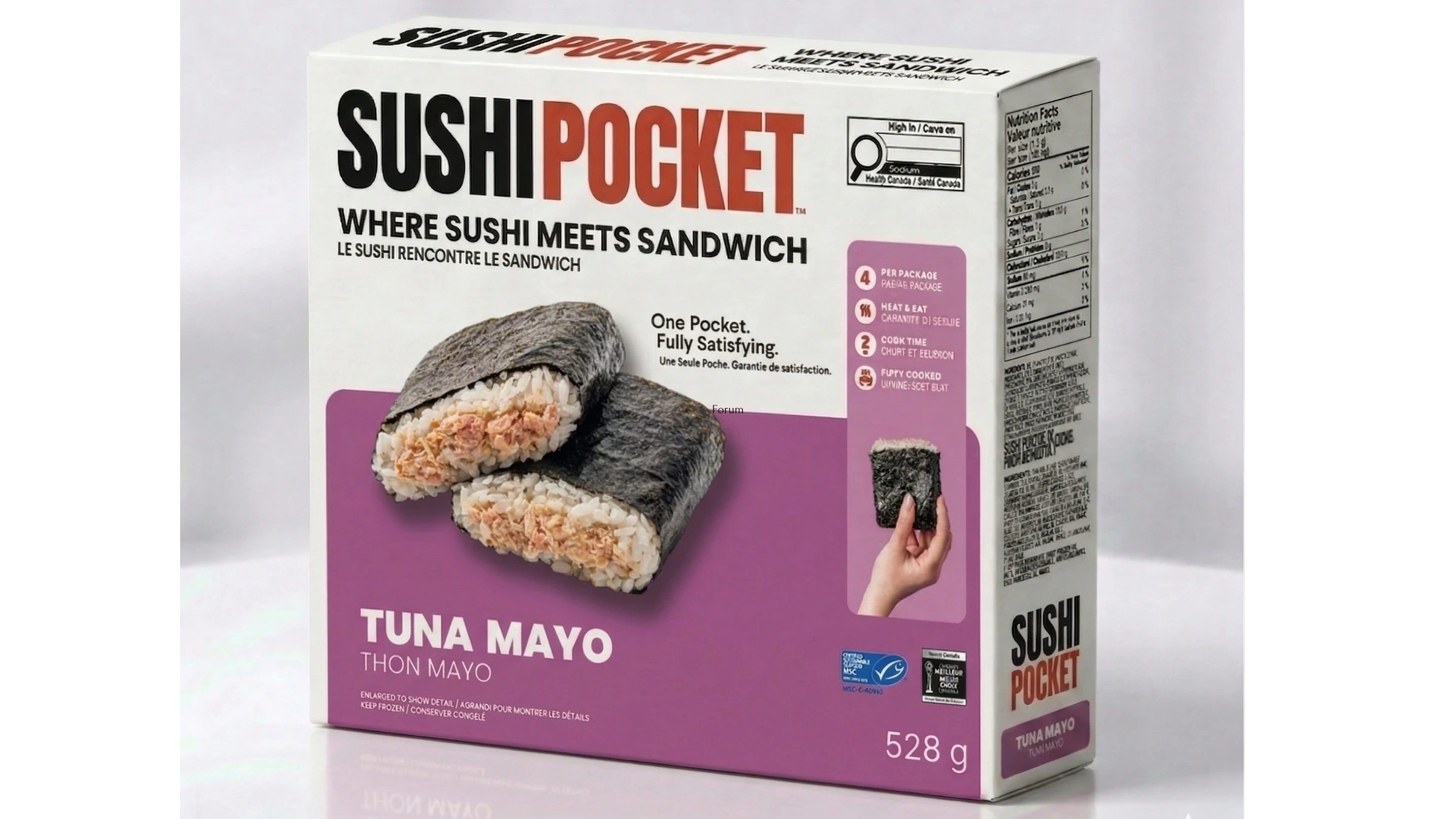
Sushi Pocket is one of those. It is based on onigiri, made with rice and fillings like salmon teriyaki or tuna mayo, wrapped in nori. It is fully cooked and frozen, which makes it easy to keep on hand.
High protein foods that are quick and realistic
What makes Sushi Pocket useful is not just the ingredients. It is how easy it is to use.
You can heat it in a couple of minutes, whether in a microwave, air fryer, or pan. That makes it realistic during a busy day.
It also fits into the category of high protein foods, which helps it feel more substantial than a typical snack.
You can eat it on its own, or build around it if you want something more filling. That flexibility matters when your schedule changes from one day to the next.
If you want to see how it fits into your routine, you can order online here.
Avoiding the cycle of quick snacks that do not last
One of the more frustrating parts of snacking is how quickly hunger comes back. That usually comes from snacks that are too light or too processed.
Choosing better snacks without overthinking it
You do not need complicated rules. A few simple guidelines are enough:
- Include some protein when possible
- Add fiber where you can
- Choose snacks that feel like real food
These small shifts change how snacks work throughout the day.
If you are looking for simple ideas that already follow this approach, this list keeps things realistic: 10 Easy Snack Ideas For Busy Parents
The focus is on what people actually stick to, not what sounds ideal.
Balancing convenience with better choices
There will always be moments when convenience wins. That is not something to eliminate. It is something to manage.
Smart snacking does not mean perfect snacking
Sometimes a quick restaurant or fast food option makes sense. The difference is not relying on it every time.
When you have better snacks available, those decisions become more balanced.
You are not choosing between extremes. You are choosing between options.
Making smart snacking part of your routine
The most effective changes are the ones that feel almost automatic.
Small changes that make a lasting difference
Start with a few basics:
- Keep one or two reliable snacks on hand
- Add a protein option to your routine
- Include something with fiber
That is enough to shift how you snack without making it complicated.
If you have questions about storage, preparation, or how certain foods fit into your routine, the FAQ section explains things clearly.
Conclusion: better snacks come down to simple decisions
Smart snacking is not about finding perfect foods. It is about making small decisions that are easy to repeat.
A handful of reliable options, a bit of planning, and snacks that actually keep you going. That is usually enough.
Once those are in place, snacking becomes less reactive and more consistent. And over time, that is what makes the difference.