Convenient Foods for Modern Lifestyles
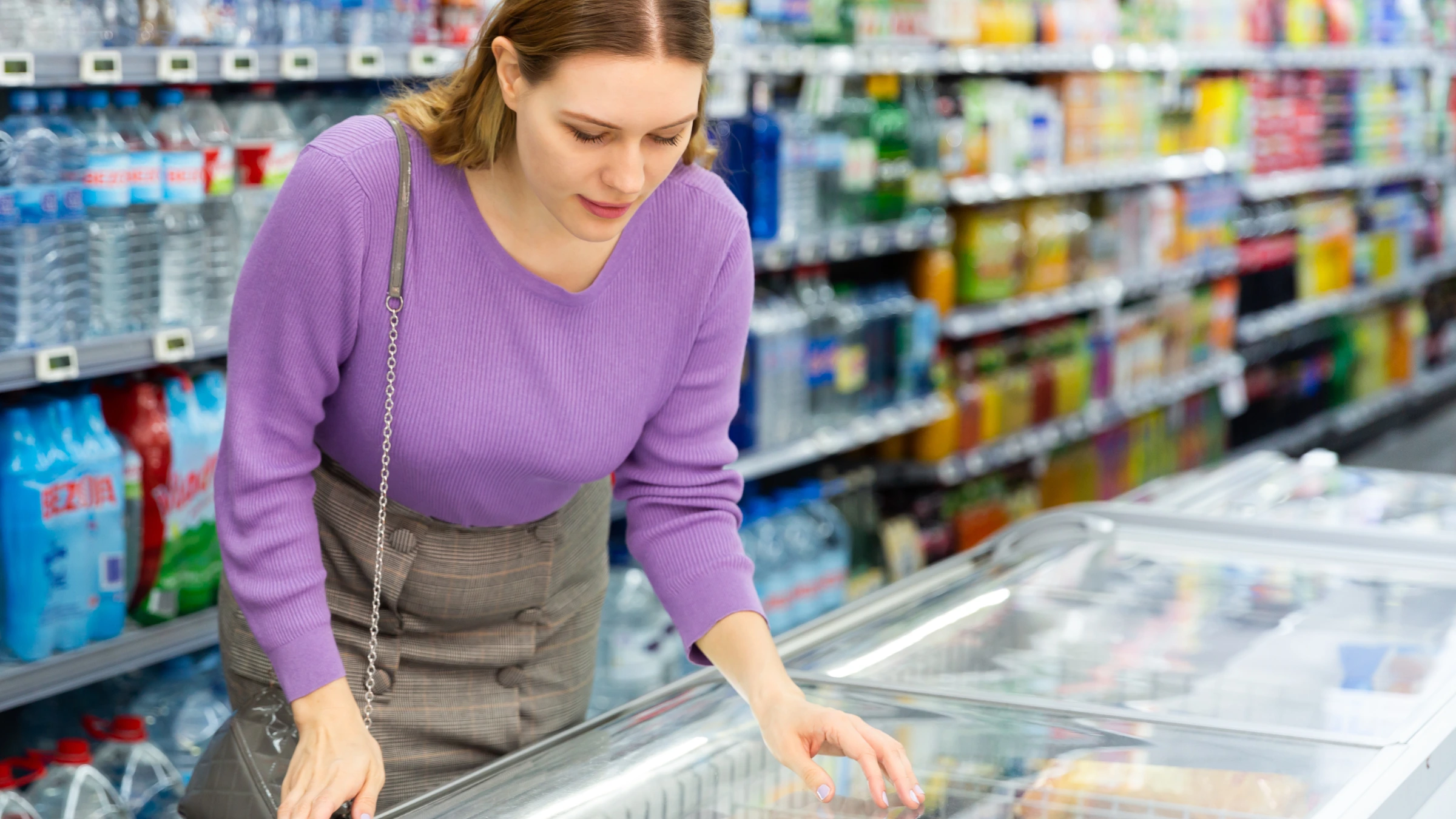



How convenient foods fit into everyday routines
Food used to follow a more predictable rhythm. Meals happened at set times, often prepared from scratch, with enough space in the day to make that possible. That structure has shifted. Now, eating tends to fit around everything else.
Work moves faster. Schedules change. Time is split between different responsibilities. In that environment, convenience becomes less of a preference and more of a requirement.
Convenient foods are not just about speed. They are about making meals possible when time and energy are limited. That is why quick meals, practical lunch ideas, and simple dinner recipes have become part of how people eat rather than exceptions to it.
What makes food truly convenient
Not every fast option is actually useful. Some save time in the moment but do not fit well into a routine.
Convenient foods that people actually rely on
The foods that last in people’s routines tend to share a few qualities:
- They are quick to prepare
- They are easy to store
- They do not require planning ahead
- They work across different times of the day
Convenience is not just about speed. It is about reliability. When something works consistently, it becomes part of how you eat without needing to think about it.
This is why the idea of convenience has shifted. It is no longer a fallback. It is a baseline expectation.
The role of quick meals in modern lifestyles
The idea of cooking a full meal every time you are hungry does not always match reality. That is where quick meals become important.
Quick meals that fit into real schedules
A quick meal is not just something fast. It is something that fits into a specific moment. It might be lunch between meetings, dinner after a long day, or something in between when plans change.
The key is that it works without requiring a reset of your day.
This is why many people rely on a mix of prepared components, ready to eat options, and frozen foods. Together, they create flexibility.
If you want to see how this plays out across different types of meals, this article breaks it down in a practical way: Why Convenience Matters in Modern Diets
Lunch ideas that do not slow you down
Lunch is often where convenience matters most. It sits in the middle of the day when time is limited and attention is elsewhere.
Easy lunch ideas for work that are realistic
The best easy lunch ideas for work are the ones that do not require much effort in the moment. They are either prepared ahead of time or quick to assemble.
That might include:
- Simple bowls built from prepped ingredients
- Leftovers that reheat well
- Ready to eat options that require minimal preparation
What matters is that they are easy to repeat. Once something becomes repeatable, it becomes reliable.
If you are trying to make lunch more consistent, this guide offers a practical way to approach it: Easy Meal Prep Ideas for Families
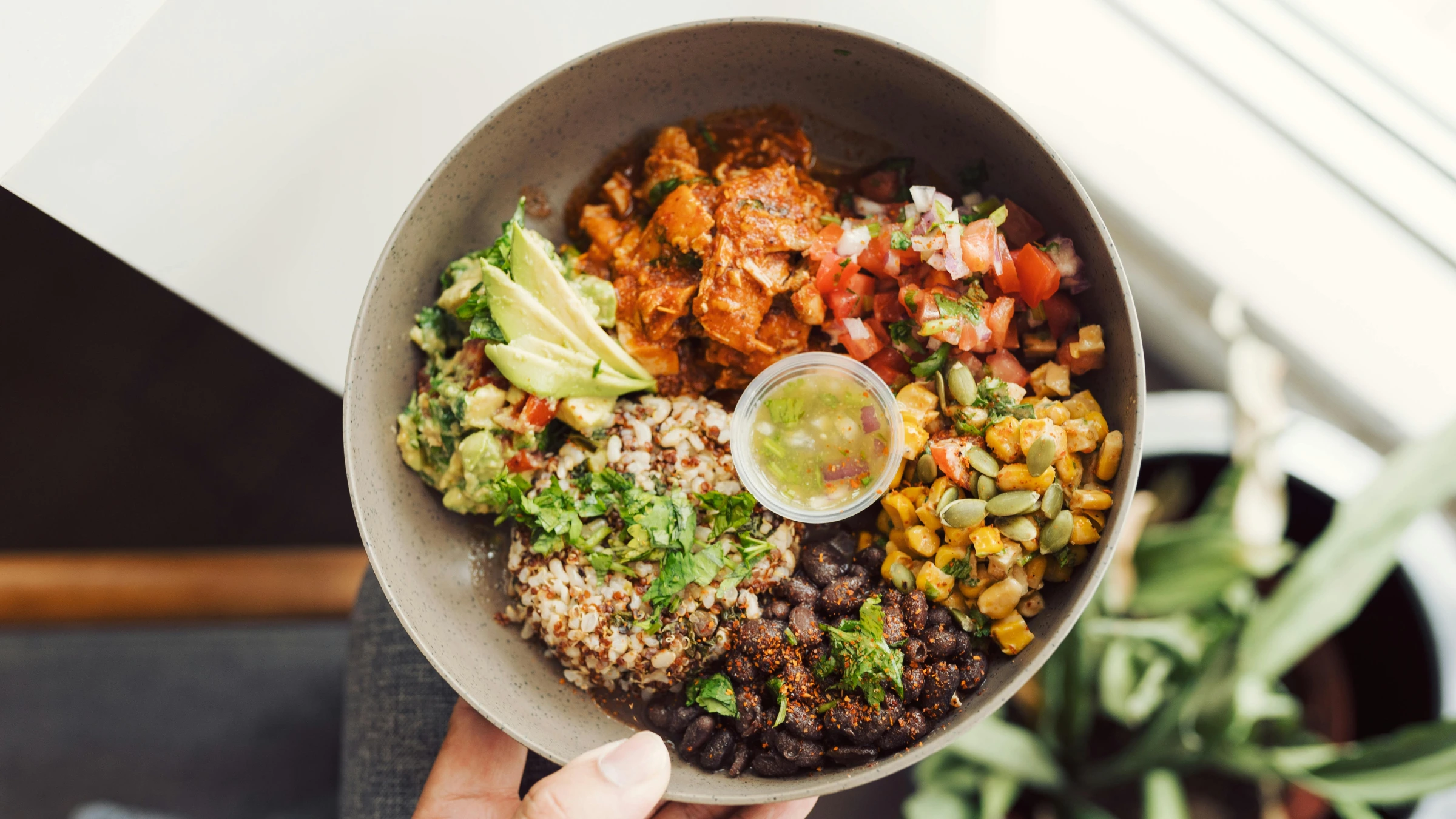
Where frozen food supports flexibility
Frozen food has moved into a different role over time. It is no longer just a backup. It is part of how people build flexibility into their routines.
Frozen options that work when plans change
Frozen foods solve a simple problem. They are always available. They do not depend on timing, and they do not expire quickly.
That makes them useful in situations where fresh food is not available or when plans shift unexpectedly.
They also reduce pressure. You do not need everything to be planned in advance. You just need a few reliable options.
If you want to explore this further, this article looks at how frozen foods are used in everyday routines: Best Frozen Snacks for Busy Families
Sushi Pocket as a practical example of convenient food
Some products are designed specifically to fit into this kind of lifestyle.
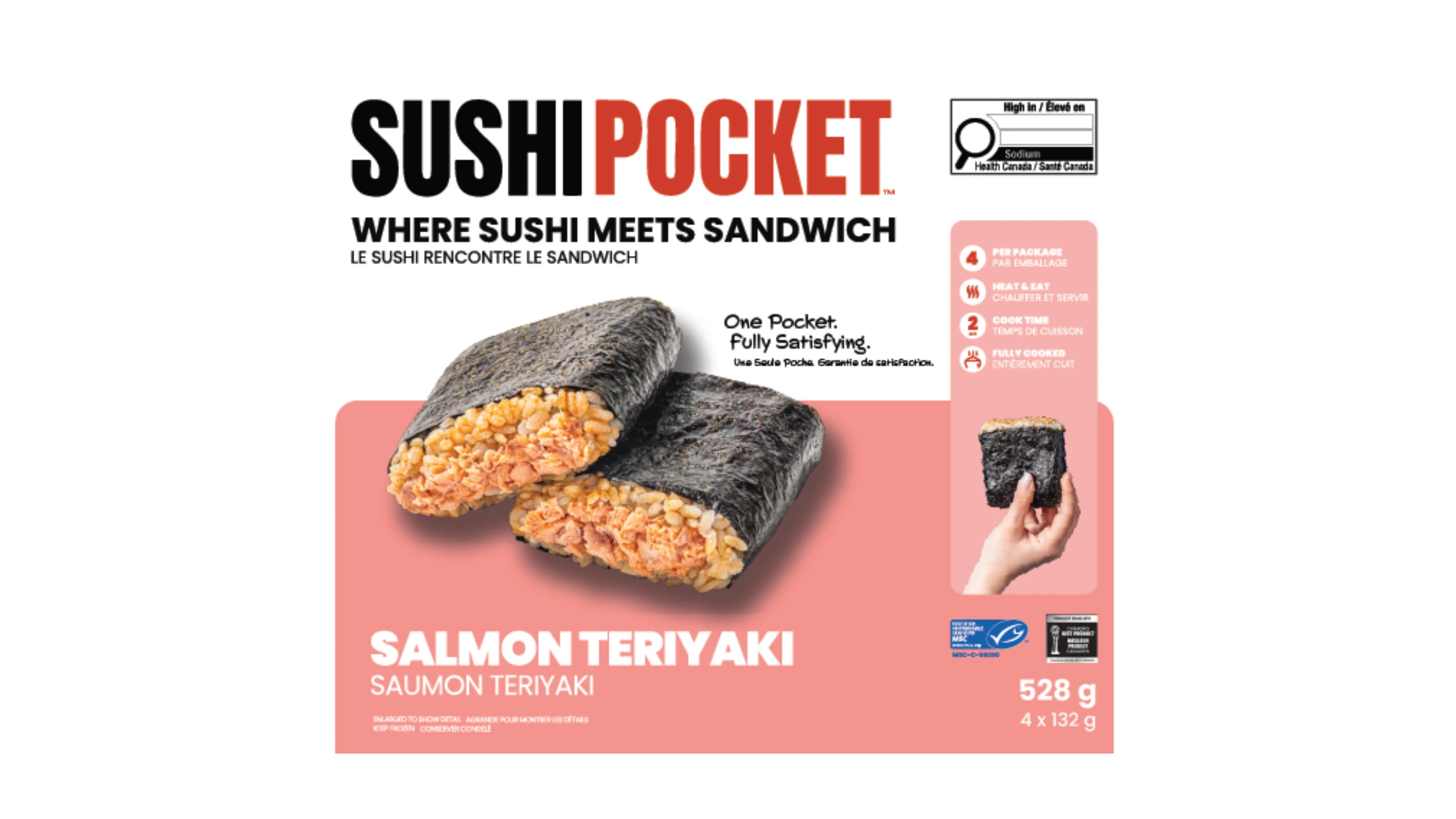
Sushi Pocket is one example. It is inspired by onigiri, made with rice and fillings like salmon teriyaki or tuna mayo, wrapped in nori. It is fully cooked and frozen, which changes how you use it.
A flexible option for meals and snacks
What makes Sushi Pocket useful is not just that it is quick. It is how it fits into different parts of the day.
It can be a simple snack, but it also works as part of a meal. It fits into lunch ideas, especially when you need something quick. It can serve as a best lunch option when time is limited. It can even be part of simple dinner recipes when paired with vegetables or other sides.
You can heat it in a couple of minutes using a microwave, air fryer, or pan. That makes it practical in situations where cooking from scratch is not realistic.
It also works beyond its original format. You can break it into a bowl, add fresh ingredients, and build something more substantial without starting from zero.
If you want to try it in your own routine, you can order online here.
If you have questions about preparation methods, storage, or ingredients, the FAQ section explains those details clearly.
How convenience changes dinner habits
Dinner is often where expectations and reality do not match. There is an idea of cooking something fresh every evening, but that does not always hold up.
Dinner recipes that adapt to real life
The most useful dinner recipes are not necessarily the most complex. They are the ones that adapt.
That might mean:
- Using pre prepared ingredients
- Building meals from simple components
- Adding a ready to eat option to complete the meal
Convenience does not remove quality. It allows you to choose where to spend your time.
Sometimes that means cooking from scratch. Other times it means combining what is already available.
Balancing convenience with better choices
There is a tendency to think of convenience and quality as opposing ideas. In practice, they are often linked.
When convenient options are better designed, they support better habits.
Making convenient food work for you
The goal is not to eliminate convenience. It is to make it work in your favour.
That means:
- Keeping reliable options on hand
- Choosing foods that offer some balance
- Using convenience to reduce friction rather than replace meals entirely
If you are looking for practical snack options that fit into this approach, this article keeps things grounded: 10 Easy Snack Ideas For Busy Parents
Building a routine around flexible food options
The most sustainable approach to food is not rigid. It allows for variation.
Some days you cook. Some days you rely on prepared options. Most days are somewhere in between.
A simple structure that supports consistency
A basic structure might look like this:
- A few prepared meals or components
- A few ready to eat options
- A few frozen items as backup
That combination covers most situations without adding complexity.
Over time, that structure becomes automatic. You are not deciding from scratch each time you need to eat.
Conclusion: convenience as part of everyday eating
Convenient foods are not replacing traditional meals. They are reshaping how meals fit into daily life.
They allow food to adapt to changing schedules. They reduce the effort required to eat consistently. They make it easier to maintain routines even when time is limited.
When convenience is used well, it does not lower the quality of what you eat. It supports it.
And in a lifestyle where time is often limited, that support makes a noticeable difference.