Food Trends to Watch This Year
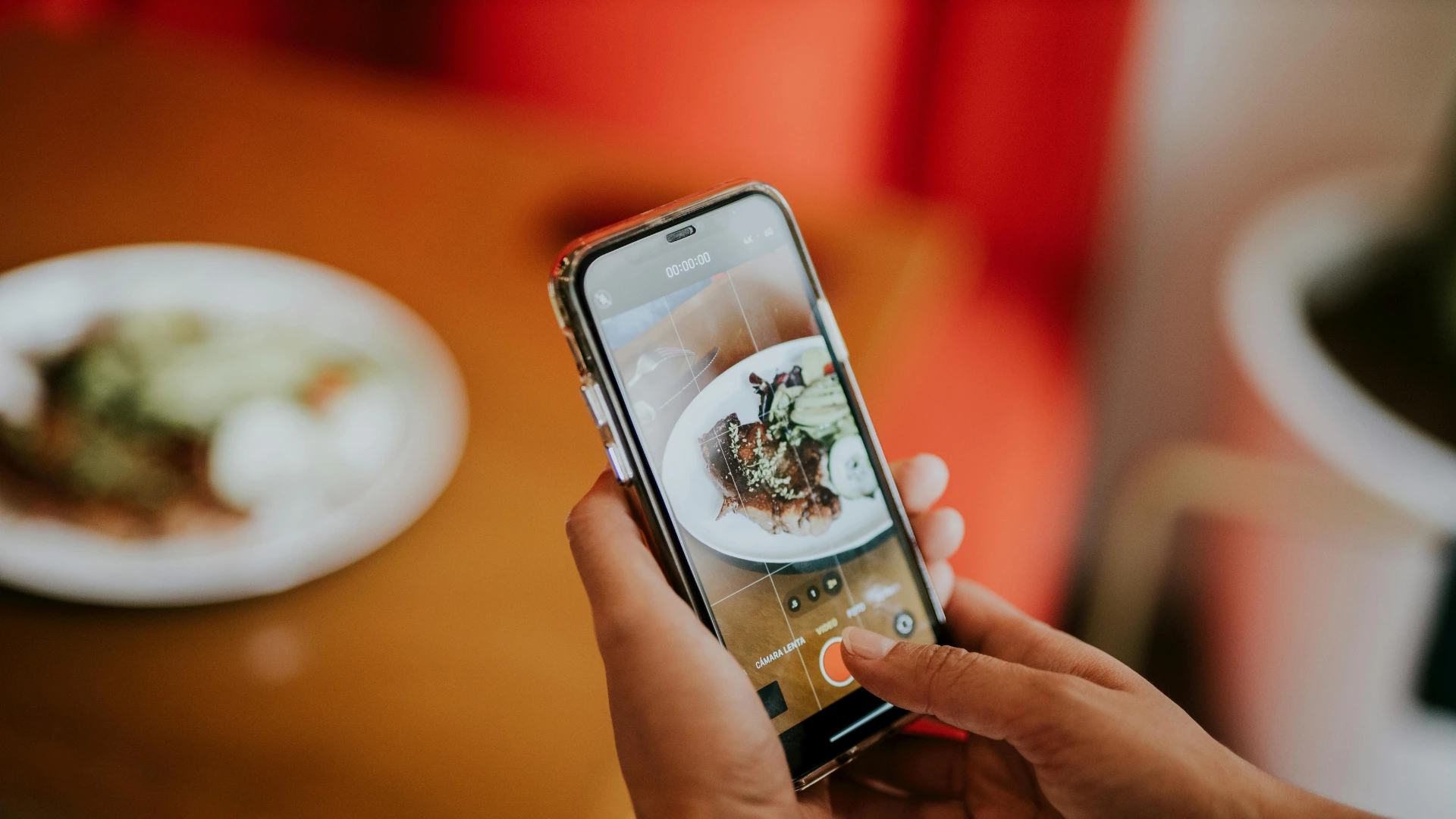



Protein continues to dominate food choices
For years, protein was mainly associated with fitness. Now it has moved into almost every part of the food industry.
Consumers are actively looking for foods that feel more filling and satisfying. That demand has pushed protein into snacks, beverages, frozen meals, breakfast products, and even desserts.
High protein foods are becoming everyday foods
What is interesting is that protein is no longer limited to traditional health products.
People are looking for protein in:
- Snacks
- Frozen meals
- Yogurt and dairy products
- Ready to eat lunches
- Convenient meal solutions
The trend is becoming less about bodybuilding and more about everyday eating. Consumers want food that keeps them full for longer and fits into busy schedules.
Convenience is becoming a permanent expectation
Convenience used to be viewed as a compromise. That perception has changed.
People increasingly expect food to be quick, accessible, and easy to prepare without feeling low quality.
Quick meals are becoming part of daily routines
Families are balancing work, school, commuting, and activities. That leaves less time for lengthy meal preparation.
As a result, more households are building routines around:
- Quick meals
- Frozen meal options
- Meal preparation systems
- Flexible lunch ideas
- Ready to eat snacks
If convenience is something you are actively trying to build into your routine, this guide explains why it has become such an important part of modern eating habits:
Why Convenience Matters in Modern Diets
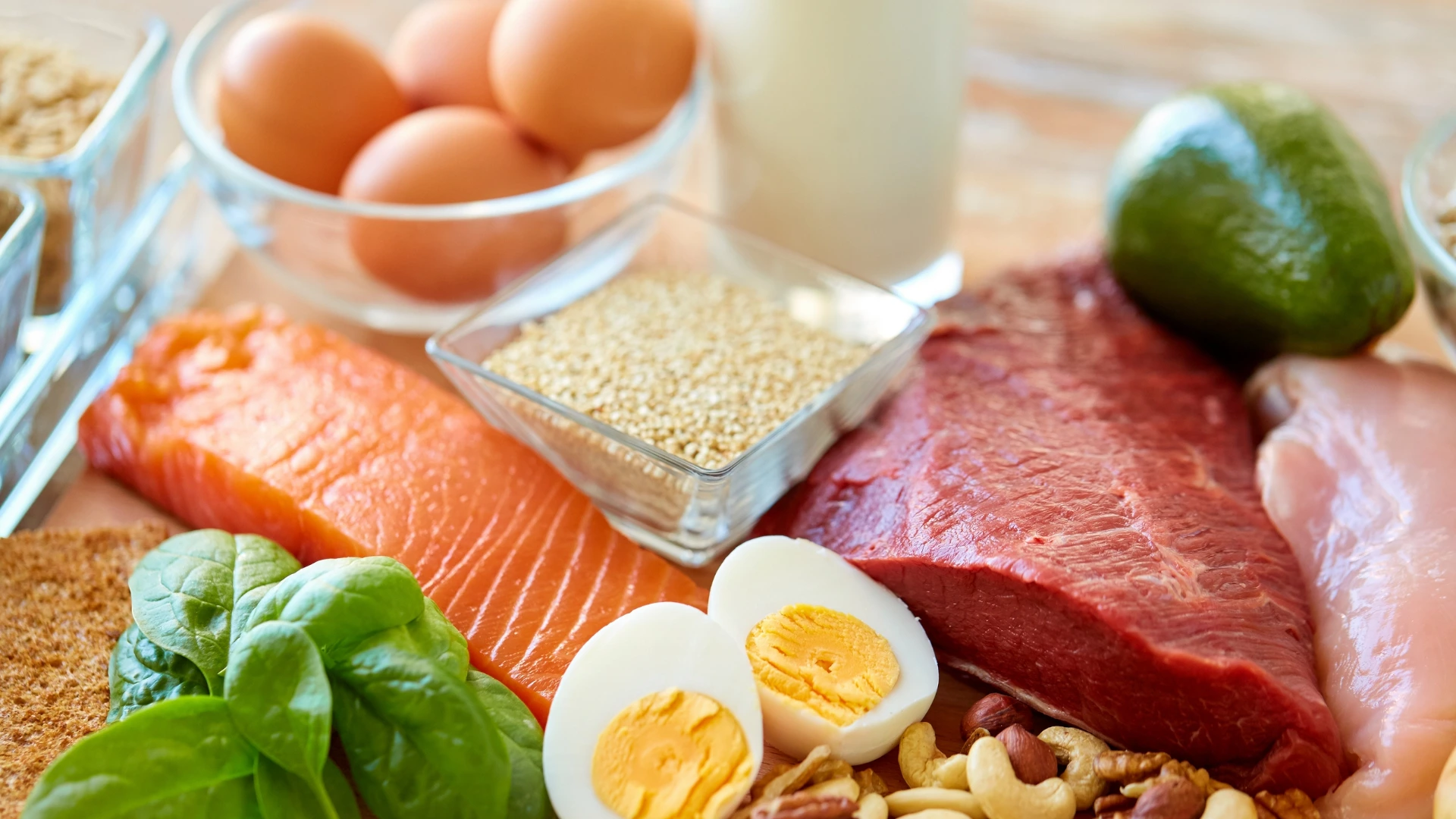
Frozen food is evolving beyond the old stereotypes
Frozen food has quietly become one of the most interesting categories in the industry.
Many brands are moving away from heavily processed products and focusing on meals that offer better ingredients, more protein, and improved nutritional balance.
Frozen foods now support flexibility
One reason frozen food continues to grow is simple. It removes pressure.
People do not have to use ingredients immediately. They can keep options available without worrying about food going bad after a few days.
That flexibility makes frozen foods useful for:
- Lunches
- Snacks
- Family dinners
- Meal planning
- Backup meal options
If you want more examples of how frozen food fits into modern family life, this article explores the idea further:
Best Frozen Snacks for Busy Families
Gut health is moving into the mainstream
Gut health has been discussed for years, but it is becoming much more visible in everyday products.
Consumers are paying closer attention to fiber, probiotics, fermented foods, and ingredients that support digestion.
Fiber is getting more attention
Protein remains important, but fiber is catching up.
More products now highlight:
- Fiber content
- Prebiotics
- Fermented ingredients
- Whole food ingredients
This shift is influencing snacks, beverages, cereals, and frozen meals.
People are increasingly looking for foods that support overall wellbeing rather than focusing on a single health goal.
Global flavours continue to shape everyday eating
People are becoming more comfortable experimenting with different cuisines at home.
What used to feel specialised is now becoming part of normal grocery shopping.
Familiar foods with international influences
Consumers are increasingly interested in:
- Japanese inspired meals
- Korean flavours
- Indian spices
- Mediterranean ingredients
- Regional and heritage recipes
Many food companies are responding by introducing globally inspired products that still feel approachable.
This trend works particularly well because it combines variety with convenience.
People can experience different flavours without needing advanced cooking skills or hard to find ingredients.
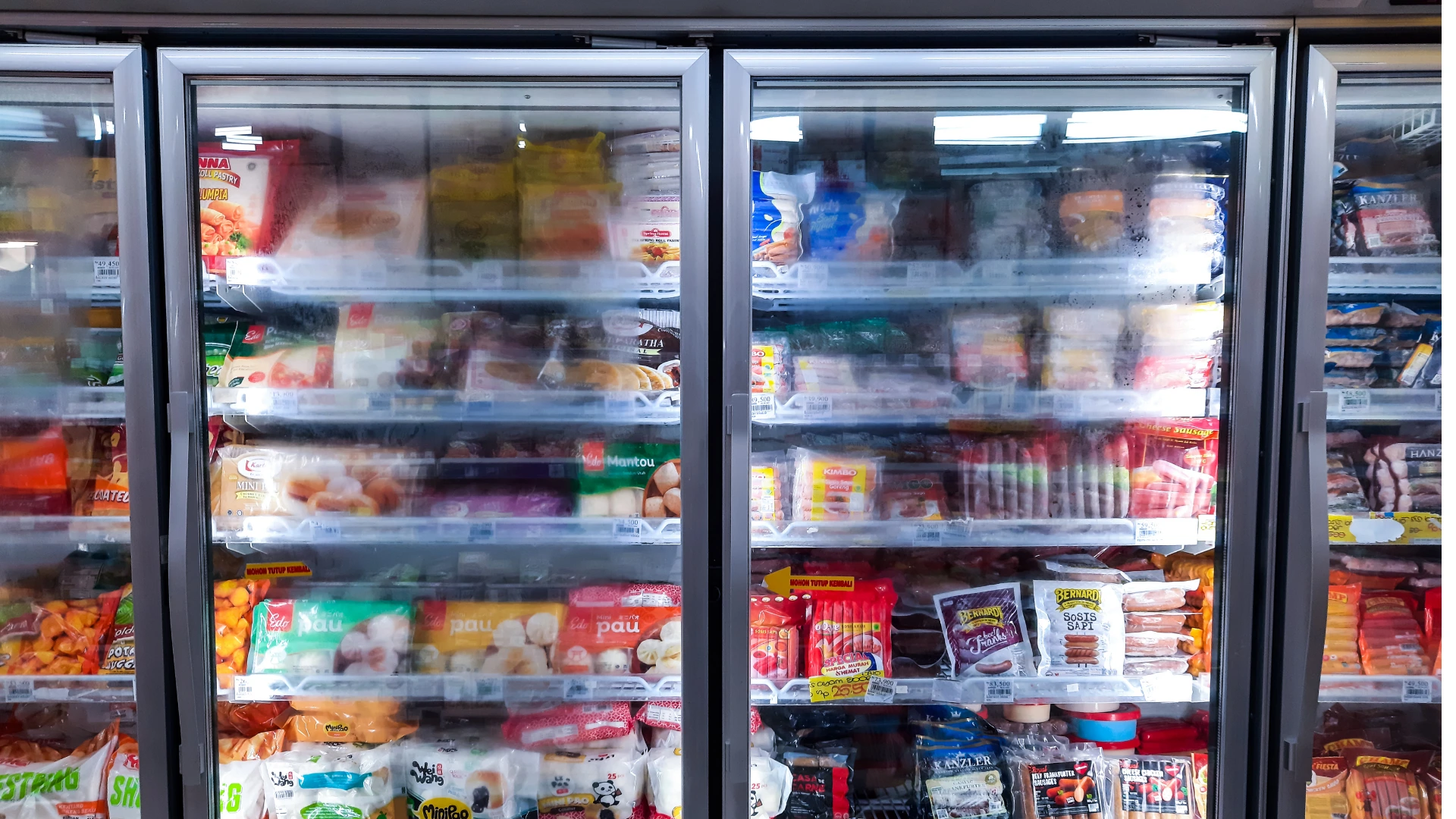
Snacks are becoming more substantial
Snacking continues to grow, but the nature of snacks is changing.
People are moving away from snacks that feel temporary and looking for options that offer more satisfaction.
Snacks that bridge the gap between meals
Many consumers now want snacks that feel closer to a small meal.
That often means snacks that include:
- Protein
- Fiber
- Whole food ingredients
- More balanced nutrition
If you are looking for practical snack ideas that fit this approach, this article keeps things realistic:
10 Easy Snack Ideas For Busy Parents
Sushi Pocket fits several of this year's food trends
One interesting aspect of current food trends is how many of them overlap.
Consumers want convenience, flexibility, flavour, portability, and foods that fit naturally into their routines.
A practical example of modern food trends
Sushi Pocket aligns with several of those shifts.
Inspired by traditional onigiri, it combines rice, flavourful fillings such as salmon teriyaki or tuna mayo, and nori in a convenient handheld format.
Because it is fully cooked and frozen, it works well for:
- Quick meals
- Lunch ideas
- Snacks
- Flexible meal planning
It can be heated in a microwave, air fryer, or pan within minutes, making it useful when schedules change unexpectedly.
It also fits naturally into the growing demand for convenient foods that still feel like real meals rather than purely snack products.
If you would like to try it yourself, you can order online here.
If you have questions about ingredients, preparation methods, or storage, the FAQ section explains those details clearly.
Meal preparation is becoming simpler
Meal preparation remains popular, but the approach is changing.
People are moving away from highly structured systems that require several hours every weekend.
Flexible meal prep is replacing rigid meal prep
Many households now focus on preparing components rather than complete meals.
That might include:
- Cooked rice
- Chopped vegetables
- Protein options
- Frozen backup meals
- Ready to eat snacks
This approach creates flexibility while still reducing daily effort.
If you are looking for practical ways to simplify meal preparation, this guide breaks it down clearly:
Easy Meal Prep Ideas for Families
Conclusion: practicality is shaping food trends more than ever
The biggest food trends this year are not necessarily the flashiest.
They are the trends that make everyday eating easier.
Protein continues to grow. Frozen foods are becoming more sophisticated. Gut health is influencing product development. Global flavours remain popular. Convenience has become a standard expectation rather than a bonus.
Underneath all of those trends is the same idea. People want food that works in real life.
The products and habits gaining traction are the ones that help people eat consistently without adding more complexity to already busy days.